· Underwater · 10 min read
Liveaboard diving is the best
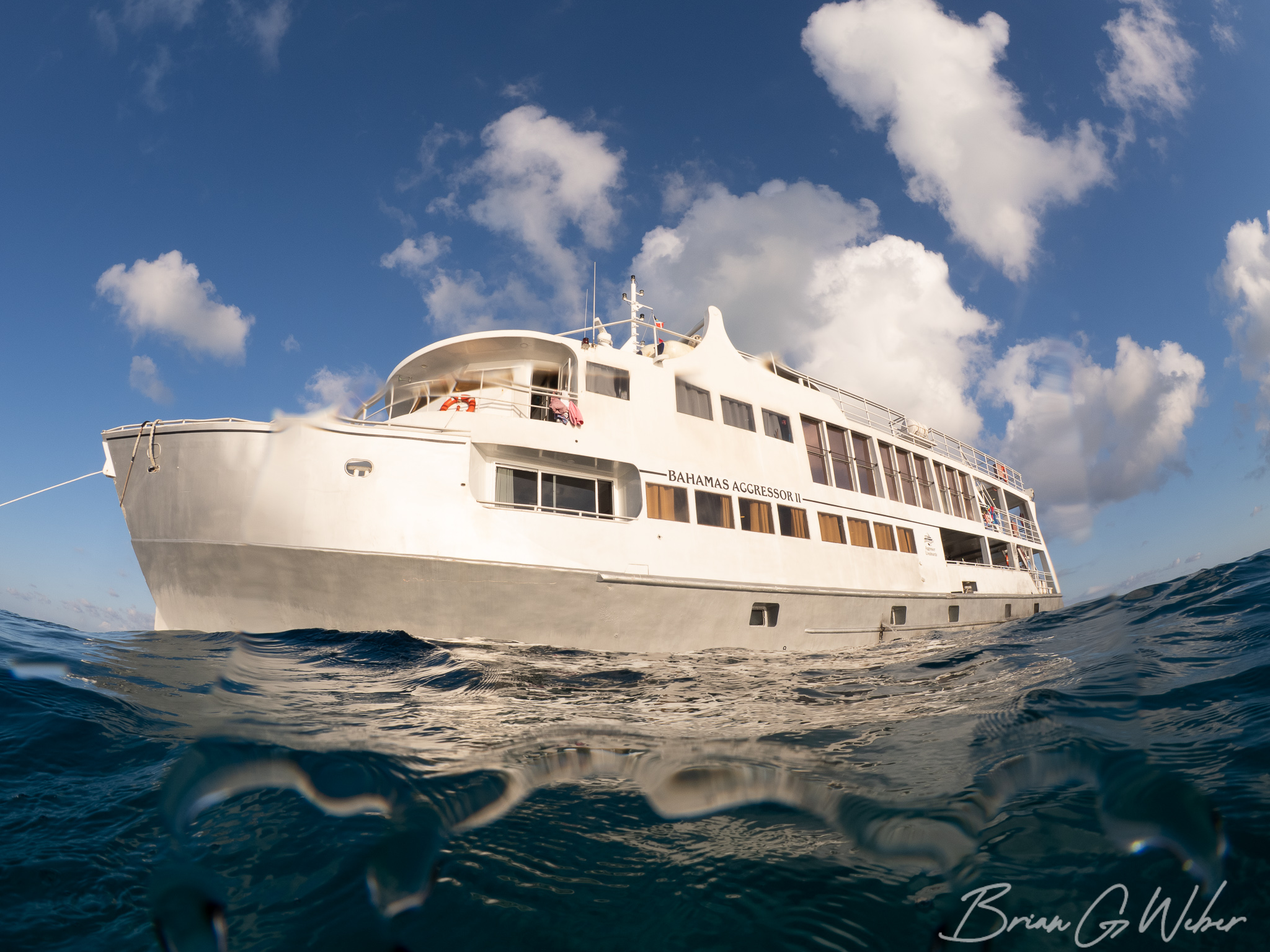
Dive trips are great! They give you the opportunity to go see somewhere new and all of the different dive sites and critter life that come with it. My preferred accomodations are a dive liveaboard. This means you fly to somewhere, hop on a big boat, and go out sailing around to a bunch of different sites for an extended period of time. That boat is your dive charter, restaurant, and hotel for the week. Here are a bunch of reasons I love this mode of travel and some tips for how to navigate it.
Why I love the liveaboard lifestyle
Any diving is good diving, but liveaboards check a lot of boxes for me and are my preferred way to dive.
Gear setup
When diving from land, you need to bring your gear to the dive boat and set it up for each dive. The magic of liveaboard diving is that you set your gear up once, and you’re good to dive for the whole week. No gear to carry, no tank swapping, no filling weight pockets or belts every time. You’ve got your dive station and this is your home for the week. You use the same tank for the whole week and the crew fills it between dives. When it’s time to go diving, you put on your wetsuit, pull on the shoulder straps of your BCD, and walk to the back of the boat. It does not get easier than this.
If you have an injury or need special accomodations, the crew can carry your gear down to the water for you and you can either put it on in the water or on the edge of the dive deck and slide into the water. Check with your liveaboard operator to confirm, but this has not been an issue for other divers on any trip I’ve been on so far.
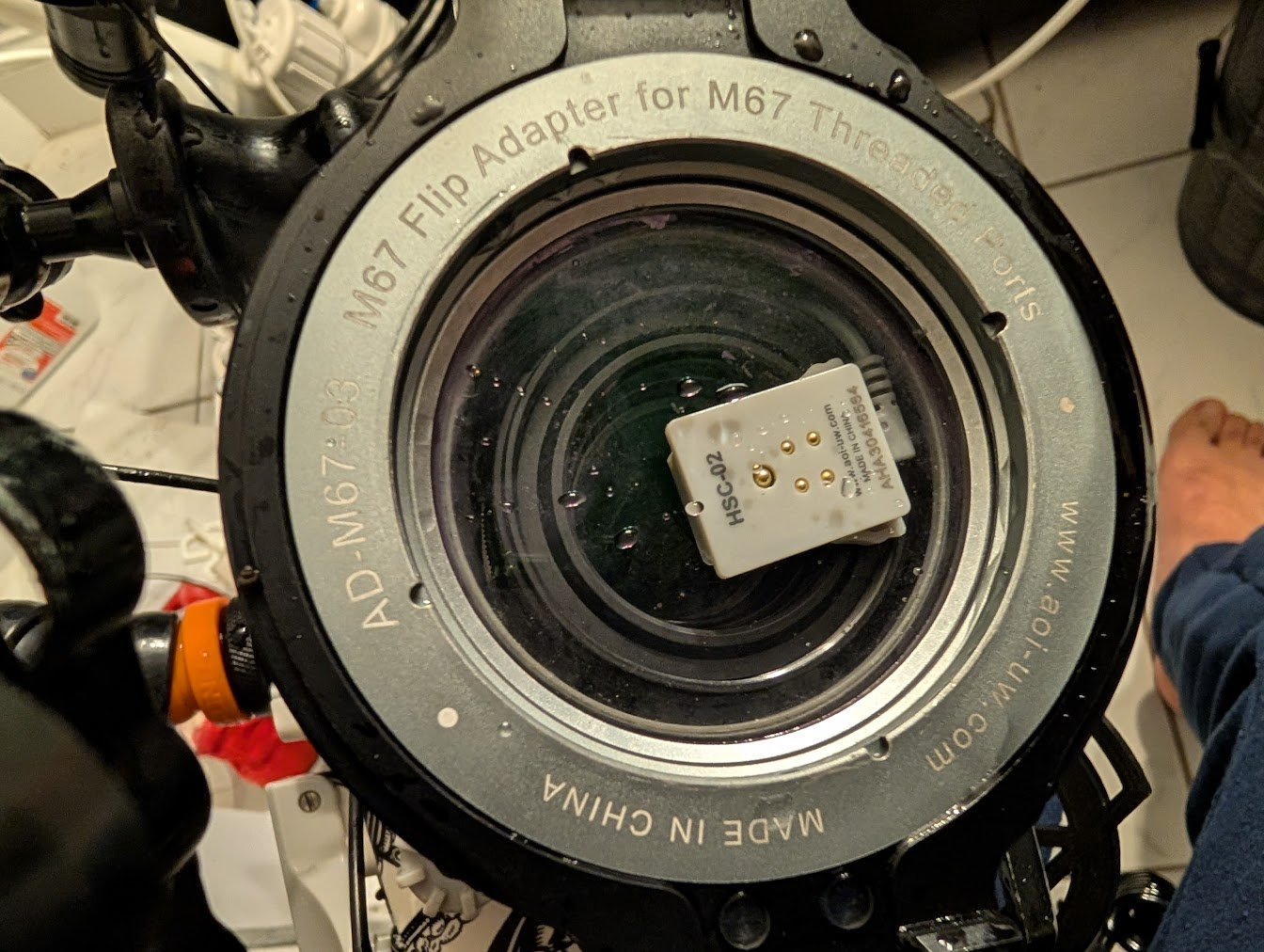
Most boats have large camera tables, which means your camera gear is also set up for the week. They will typically have air hoses to dry off the gear if you need to swap ports or otherwise open your housing. They will also have places to charge batteries and devices, with a particular eye toward safely charging those lithium batteries. My new Nauticam setup for my Olympus OM-1 was phenomenal for a busy week of diving (write-up coming soon).
Dive site access
Because you stay out on the water, you have access to many more dive sites than land-based operations. My latest trip was on the Bahamas Aggressor II. You can see from the map below that we wandered all over the place. There are dive shops in Exumas (west) and Eleuthera (east), but you would not be able to dive both on the same trip without transferring between the islands.
The Belize Agressors spend a whole week out in Lighthouse Atoll (home of the Great Blue Hole), which is remote but accessible from Ambergris Caye…with a 2.5 hour boat ride each way. I think you get the picture: easy access to remote sites without sitting around on a dive boat for a whole day to get there.
Underwater time
“Eat, Sleep, Dive” is the motto for liveaboard trips and it’s true: you just can’t beat the efficiency and bottom time of a liveaboard trip. Depending on the itinerary, boats will offer 3-5 dives per day typically including a night dive. For example, here’s the schedule from the Bahamas Aggressor II:
- 7 AM: Breakfast
- 8 AM: Dive #1
- Snack
- 10:30 AM: Dive #2
- 12 PM: Lunch
- 2 PM: Dive #3
- Snack
- 4 PM: Dive #4
- Dinner
- After Dinner: Night dive
Of course, you’re not required to do every dive, but that’s how I roll. There’s typically a slightly extended break after lunch, so that’s when I like to squeeze in a nap to charge up for the afternoon and evening dives.
Great for solo travel
I often travel solo and have found liveaboards to be a great way to dive. In addition to always having someone around to dive with, you’re with a group of people who love diving and being underwater. I’m an introvert so always being able to talk about diving is a great fallback if there’s a lull in the conversation. Everyone has stories of their favorite dive destinations, epic critter sightings, nightmare divers, that sort of thing.
Improving skills and comfort
I did my first liveaboard trip when I had only 22 dives under my belt. Diving came pretty naturally to me from the start, but that first liveaboard experience was invaluable for dialing in my weighting and buoyancy skills. This is a great time to grab your Advanced Open Water certification if you don’t have it already because you are already going to do a bunch of different dives that count towards that certification. I definitely recommend a Nitrox certification for liveaboards so you can grab that onboard if you don’t have it already. Mostly though, dive dive dive. Nothing gets you in the diving zone like doing it 20-30 times in rapid succession. Gearing up and down, hopping on and off the boat, and underwater communication will all become second nature by the end of your trip.
Tips and Tricks
I’ve been on 8 different liveaboards at the time of writing and logged over 200 dives on those trips. I’ve picked up a few things along the way, which will hopefully be helpful to somebody out there.
Packing
Packing for a liveaboard trip is a bit different than a resort trip. You need less than you think!
- Clothing: I pack one pair of shorts and t-shirt per day, 3 bathing suits, some comfy pants, and a sweatshirt. I’ll only bring a few pairs of socks because I just walk around barefoot on the boat.
- Bathing suits: Three is my magic number. One on, two drying outside. By the time dive #4 of the day rolls around, suit #1 is dry.
- Avoid layered exposure protection if you can: I got burned on this last trip because I wasn’t prepared for how cold the water was going to be. I brought a ancient 3mm full suit (probably about a 1mm equivalent at this point) and a 3mm hooded vest hoping I wouldn’t need it. Well the water was cool, so I used the vest on every dive and the boat lent me a 3XL 3mm wetsuit to wear over my other gear. I was warm enough, but it was annoying donning and doffing all those layers 20+ times over the course of the week. If you have an appropriate thickness wetsuit, that will make life easier.
- Lycra socks: these will save your feet! Swimming around for 5 hours a day with feet that never really dry in boots that never dry is a recipe for blisters or sore spots. As a bonus, these will help your feet slide into your wetsuit easier.
- Don’t forget a dive light and tank blinker for the night dives!
- Backup dive computer: with repetitive diving, you’ll need to keep track of your residual nitrogen load across dives. Carrying a second dive computer with you on every dive can save your day if your main computer fails and loses track of your nitrogen.
- Earplugs/sleep headphones and eye mask: Unless you book a single room or pay a supplemental fee, you’ll probably end up with a roommate. This roommate might be a loud sleeper, so it is best to be prepared. I use these sleep headphones, which are comfortable for sleeping and work well: https://www.amazon.com/dp/B08R7439SN. Make sure to download some good music or sounds for sleeping.
- Surface Marker Buoy: I think every diver should carry one anyway, but it is required gear for some dive boats. These large, inflatable devices increase your visibility on the surface to let your boat or other boats on the surface see where you are. Gear is useless if you don’t know how to use it, so if you haven’t had a chance to practice with it yet, talk to the crew on the boat and they can instruct you and have you practice at the end of a dive. Make sure to clear it with them first so they know to expect it.
- Medication: I bring Pepto tablets, nasal spray (saline or allergy), pain reliever, and some decongestant. I won’t dive with heavy congestion, but if I wake up with a mild runny nose, a quick nasal spray or a decongestant can help. Same with the pain reliever - minor discomfort and small doses only.
- Extra batteries: you often won’t have time to wait for batteries to fully charge between dives, so it’s a good idea to have a backup battery ready if possible. For items with non-replaceable batteries, charge early and often so they don’t run out on you.
Logistics
Liveaboard logistics are a little different, so here’s a few things I’ve learned over my trips.
- Nothing will dry inside your cabin: boats are damp places, so find a spot on a deck railing. I’ll just tie a regular shoelace knot with the drawstring of my bathing suit around the railing and that keeps it secure. Others will bring clothespins or towel clips to ensure their items don’t fly away in the breeze.
- Only change to non-bathing suits when there is an extended break in the diving. In the schedule above, the 8/10:30 and 2/4 dives don’t have a lot of time in between. I’ll just change out of my wet bathing suit into a dry one in the bathroom on the dive deck so I’m ready for the next dive. I will change to shorts and t-shirt for meals.
- Showers: I’ll shower off on the dive deck between dives and then take a cleaning shower in my room at the beginning or end of the day.
- Warm up between dives! Five dives per day is a hit on your core temperature, so get out of that wet exposure protection, grab a warm shower, and put some dry clothes on or go hit the sun deck if it’s warm.
- Nitrox: every boat I’ve been on offers nitrox, which is a great way to manage nitrogen when you are diving so often. I got my nitrox cert on my first liveaboard and pay the extra ~$100 every time for it.
- Check with your buddy on their units: if they’re from outside the US, they probably use bar instead of PSI. You will have some very confusing underwater “conversations” (and a good laugh afterwards) if you don’t sort this out ahead of time.
- Stay hydrated: bring a water bottle and pretty much continuously have a (non-alcoholic, hydrating) drink in your hand while onboard. With air conditioning on the boat and compressed air underwater, all the air you breathe is drying you out.
- In general, optimize for repetition. If you can make gearing up or down for every dive a bit easier, it’s probably worth it!
Wrap up
That is all I have in my head right now being fresh off a boat, but I’m intending for this to be an evolving post. Check back before your next trip for any updates. Happy diving!
Here are the liveaboards I have been on at the time of writing:
- Bahamas Aggressor II (February 2026) - Trip Recap coming soon!
- Jardines Aggressor II (Cuba, August 2024) - not currently operating, possibly due to fuel availability? - Trip Recap
- Caribbean Explorer II (Saba & St. Kitts, January 2024) - Trip Recap
- Aqua Cat (Bahamas, December 2019)
- Rocio del Mar (Sea of Cortez, July 2018)
- Belize Aggressor IV (May 2017)
- Kona Aggressor II (Hawaii, March 2015) - no longer operating
- Cayman Aggressor IV (October 2014)